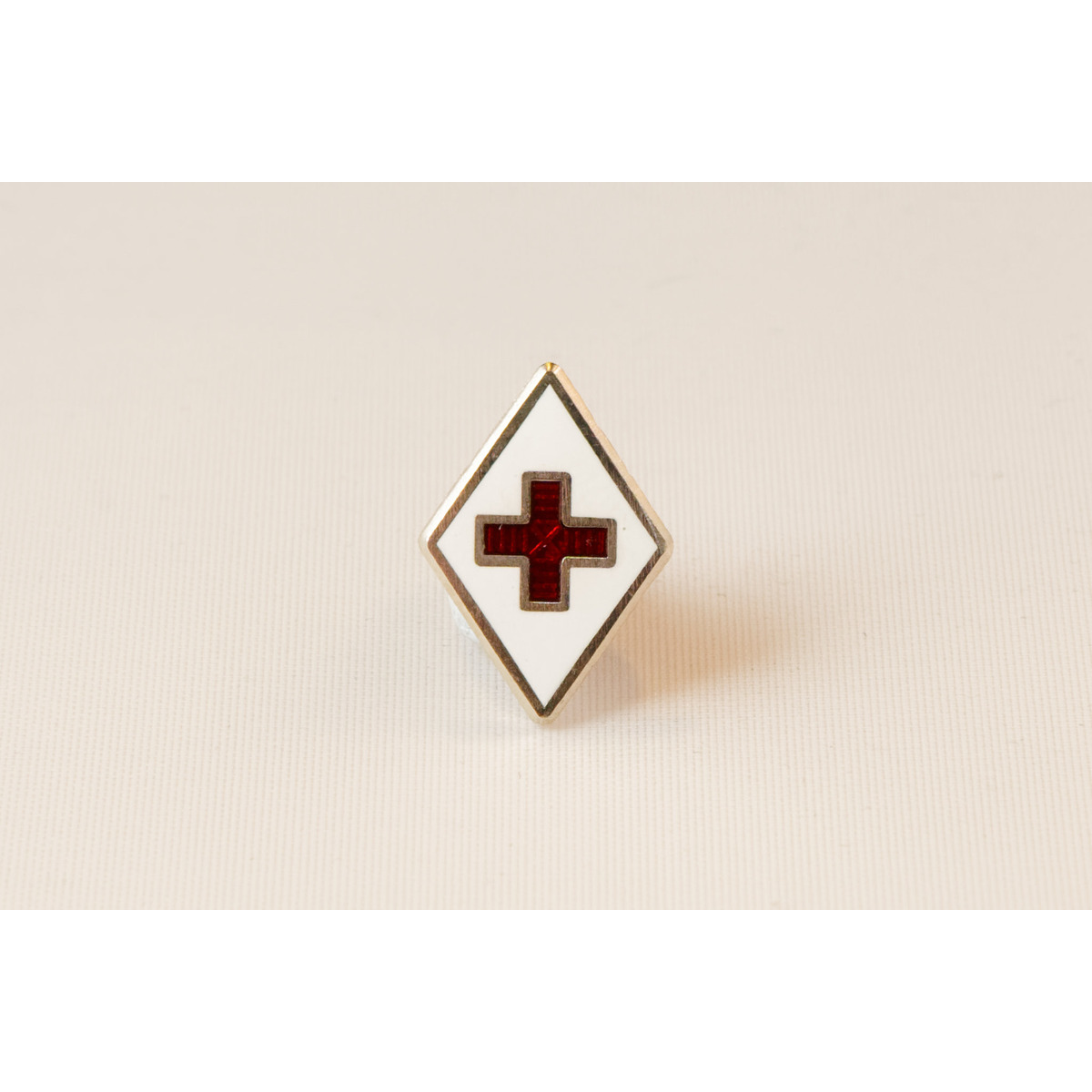
The Societas Rosicruciana in Anglia (SRIA), or the Rosicrucian Society in England, is a distinct Christian esoteric order founded in London in 1867. Unlike many organizations of the 19th century, membership in the SRIA wasand still isstrictly limited to Master Masons in good standing with a recognized Grand Lodge. The society was established to provide a forum for Freemasons to deeply investigate the spiritual, philosophical, and esoteric traditions of the original, historical Rosicrucians, moving beyond the standard administrative and moral allegories found in traditional craft Masonry.
The creation of the SRIA is primarily credited to Robert Wentworth Little, a clerk at Freemasons' Hall in London, who allegedly discovered older Rosicrucian manuscripts in the Grand Lodge archives and used them to form the society's initial rituals. Little served as the first Supreme Magus of the order. He was heavily supported by prominent occultists of the Victorian era, including Kenneth R. H. Mackenzie and Dr. William Wynn Westcott. Under their guidance, the society established a nine-degree initiatory system divided into three distinct orders, designed to lead the initiate from the basics of occult science to spiritual illumination.
Historically, the SRIA holds a foundational place in modern Western esotericism as a premier institution for the scholarly study of the occult during the Victorian era. It attracted some of the most prominent intellectual minds, antiquarians, and mystics of the period, who utilized the society's colleges as safe spaces to present research papers on alchemy, astrology, the Kabbalah, and Hermetic philosophy. By maintaining its strict Masonic requirement and focusing heavily on internal education, the SRIA quietly endured through the centuries, continuing its dedicated exploration of Christian mysticism and esoteric history into the present day.